AI Mode personalization
GooglePersonalization for AI Mode — Google's generative search experience. The systems that tailor AI-generated answers to a user's context, history, and intent.
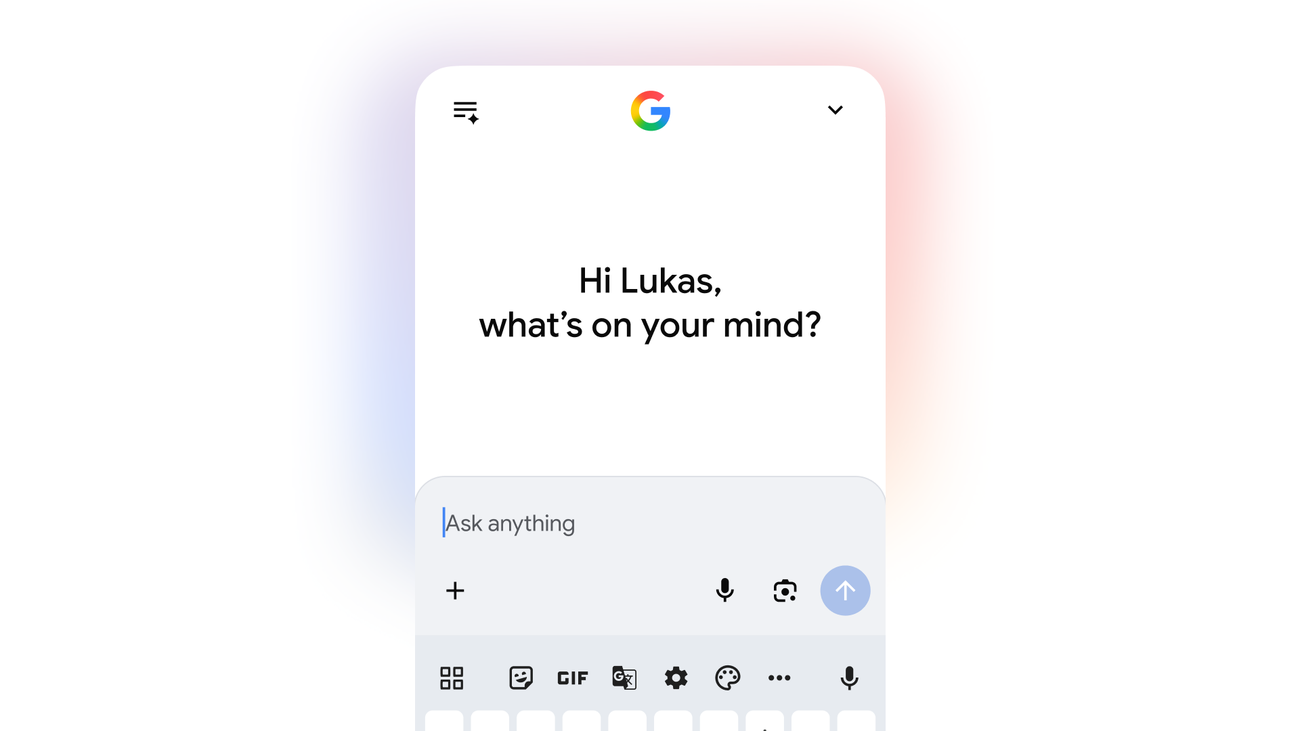

I build personalization and recommendation systems. Currently a product manager on AI Mode at Google, working on personalized Search. Before that, ranking and recommendations for large-scale feeds.
Personalization for AI Mode — Google's generative search experience. The systems that tailor AI-generated answers to a user's context, history, and intent.
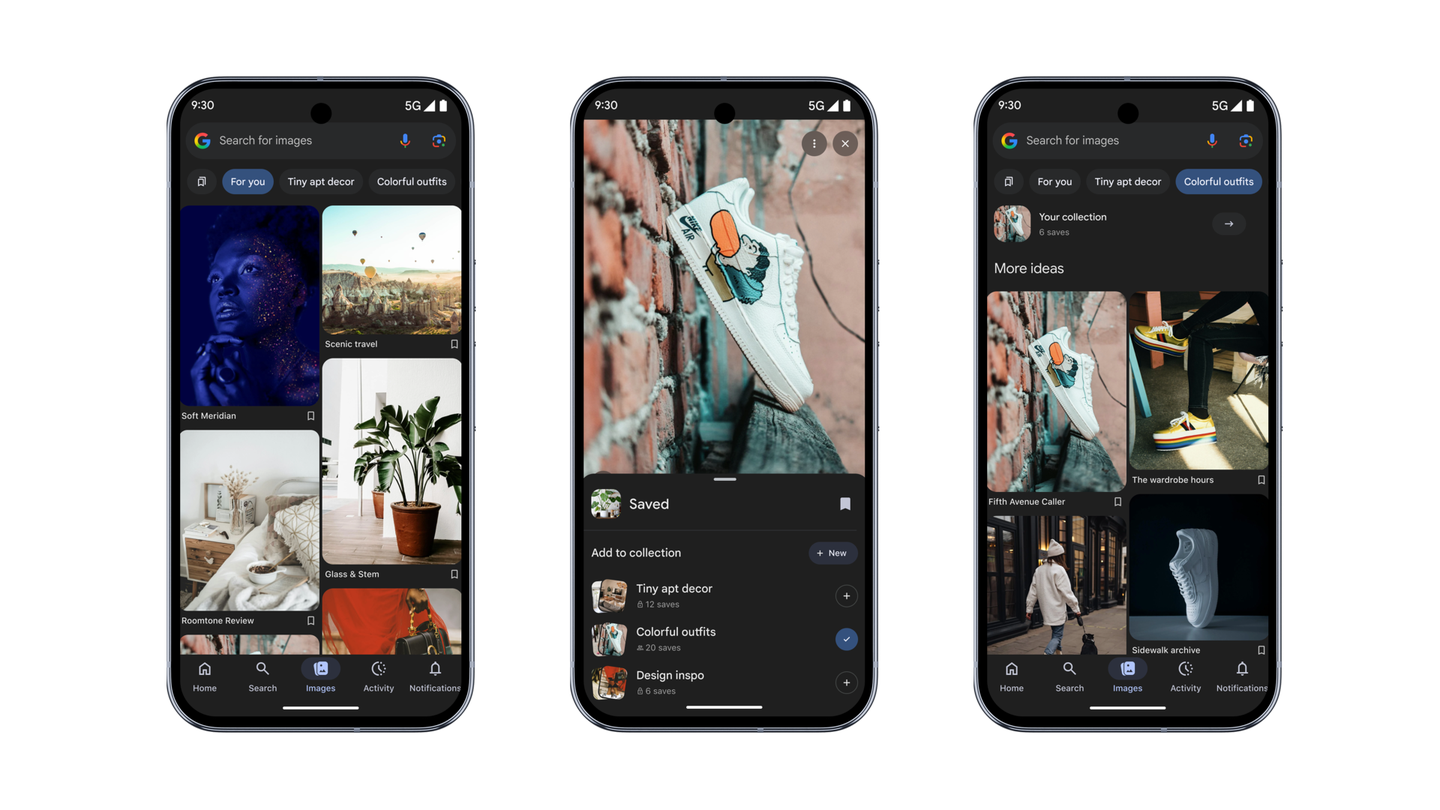
Led the launch of the Images feed — the ranked, browsable feed surface in Google Images. Ranking model through to the production surface.
Retrieval and ranking for Google Discover — the recommendation feed in the Google app and on Android. The models behind what gets surfaced, and the infrastructure to serve them.
Before Google — recommendation and ranking for the Instagram feed. Retrieval and ranking models for the main feed.
JAX no longer has a maintained backend for Apple GPUs, so I built one
on top of IREE. It runs existing JAX code through Metal, uses Apple's
matrix units for bf16 matmuls, and installs as a PJRT plugin.
The current preview is tested on M4 across 233 semantic cases and 10
model workloads.
A short podcast about what your coding agents got done that day. A Claude Code plugin writes the script locally from your sessions, then sends only the finished script to be voiced and published to a private feed. Raw transcripts and source code stay on your machine.
Finish a few sentences and three language models try to predict every word. The site turns how often you surprise them into a “clanker” score, with a word-by-word heat map you can share.
One focused README, build guide, or contributor-onboarding page for a public software repository. I trace the documented path through the source, check commands where the environment permits, and deliver a clean Markdown patch plus a short change log and one revision.
See scope and delivery details ↗ See the iree-metal documentation demo ↗ Order through Ugig ↗ Order through Toku ↗
A separate machine-to-machine service for a public GitHub repository. The $1 scorecard returns an evidence inventory and top three actions; the $10 full audit adds a prioritized worklist, inferred commands, and a tailored README outline. A free repository preflight runs before the payment gate, so invalid or unreadable inputs are not charged.
Inspect a free full IREE example ↗ Verified x402scan listing ↗ Inspect the $1/$10 x402 service ↗ Try a free preflight ↗
Former founder — built Tetra (YC W17; AI phone-call transcription, acquired in 2018). Based in NYC. Outside work I race triathlon — most recently IRONMAN Lake Placid.